


 হাত থেঁতলে গুরুতর আঘাত: একজন রোগীর গল্প
 দীর্ঘদিন বিছানায় শুয়ে বেডসোর, সঠিক চিকিৎসায় মায়ের সুস্থ হয়ে ওঠার গল্প
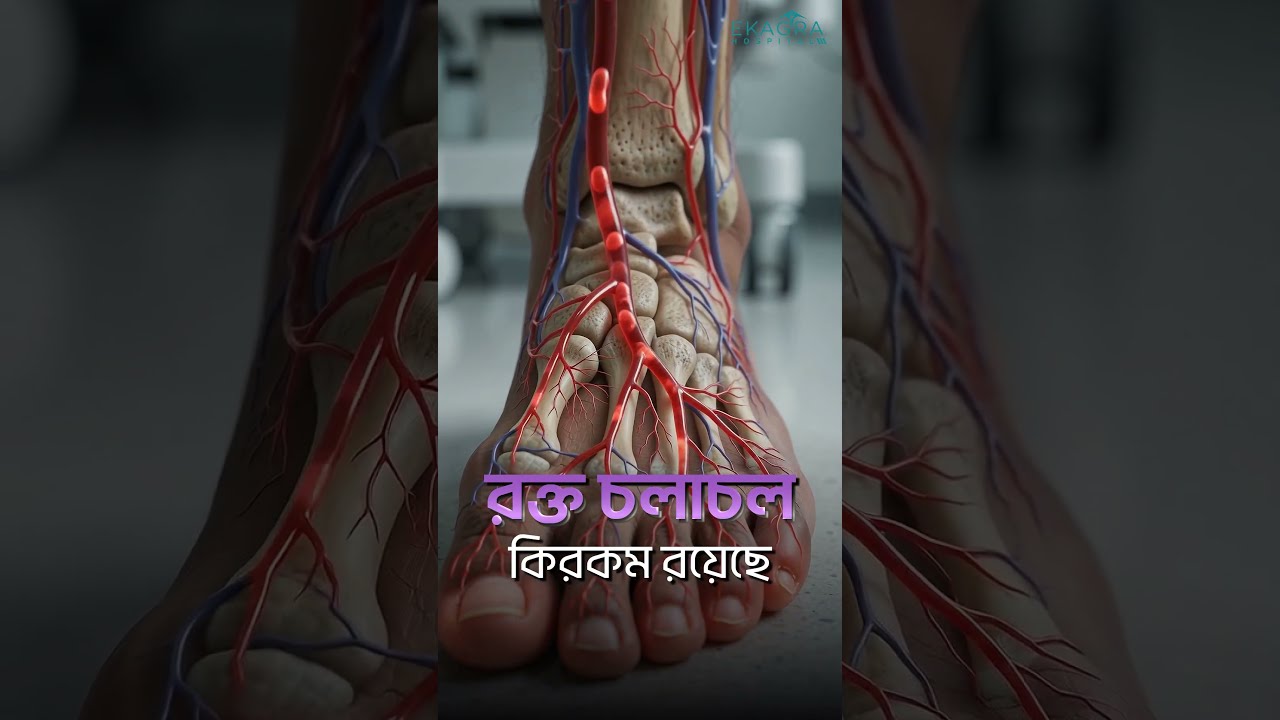 ডায়াবেটিসে কোনো ক্ষতই ছোট নয়
 দাঁড়াতেই পারতাম না, আজ সুস্থভাবে হাঁটাচলা করতে পারি (পর্ব ২)
 সড়ক দুর্ঘটনা থেকে বেডসোর, তারপর স্বাভাবিক জীবনে ফেরা (পর্ব ১)
 আপনার ক্ষত কি এই ৭টি বিপদ সংকেতের কোনোটি দিচ্ছে?
 চারজন রোগী, একটি মিল: তারা বুঝতেই পারেননি
 ক্ষতে ময়লা থাকলেই কি ইনফেকশন হয়?
 চারটি আলাদা ঘটনা, ঝুঁকিটা এক: গরমটা টের না পাওয়া
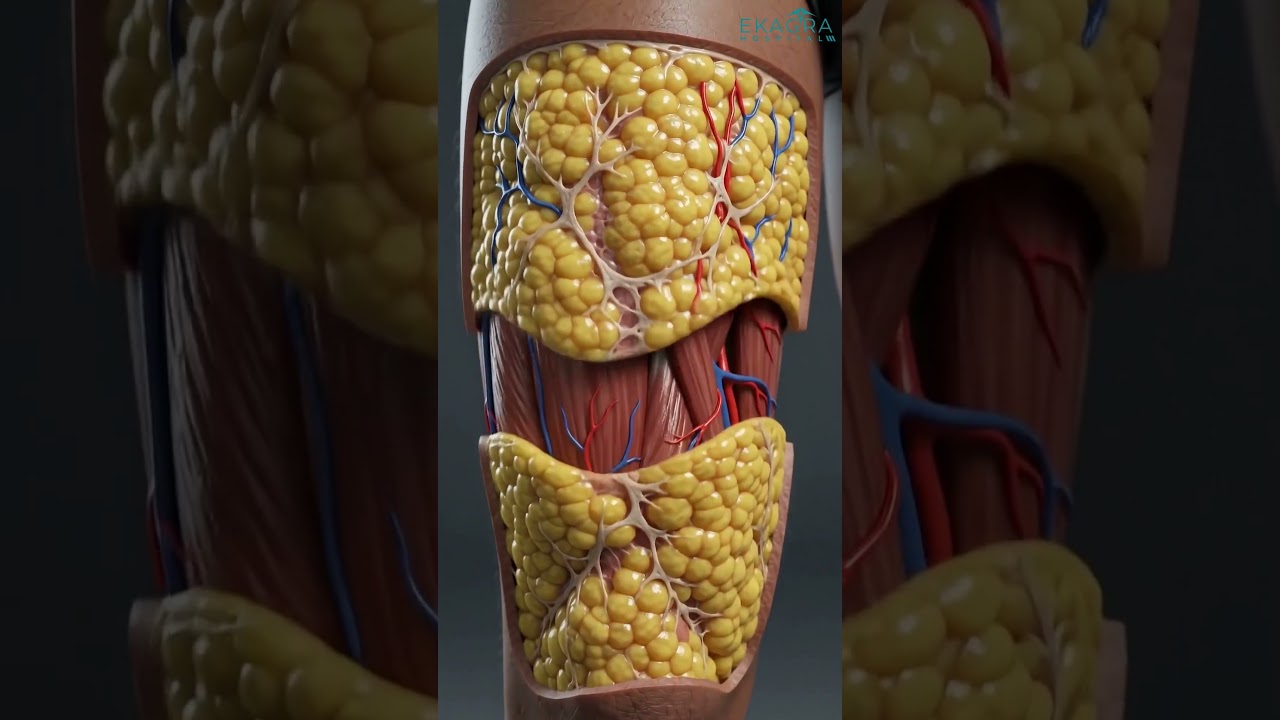 সব পোড়া ক্ষত এক রকম নয়: পোড়ার ৪টি ধরন
 পুড়ে গেলে প্রথমেই কী করবেন?
 ৬ সপ্তাহেও ক্ষত শুকাচ্ছে না? জানুন ক্রনিক উন্ড সম্পর্কে
 পায়ের ইনফেকশন থেকে জরুরি অপারেশন: লক্ষ্য ছিল পা বাঁচানো
 গরম পানির একটি ভুল, তিন মাসের ভোগান্তি (পর্ব ২)
 দুর্ঘটনার পর বেডসোর: সবচেয়ে কঠিন লড়াই তখনও বাকি
 পায়ের বোধ কম, পানি কতটা গরম বুঝতে পারেননি (পর্ব ১)
 গরম পানিতে পা পোড়ার পর একজন রোগীর পরামর্শ (পর্ব ৩)
 পায়ে প্রচণ্ড ব্যথা ও জ্বালাপোড়া: একজন রোগীর গল্প (পর্ব ১)
 গরম পানিতে পায়ের তলা পুড়ল, অথচ টের পেলেন না
 👉 পায়ে ক্ষত, অবশভাব, জ্বালাপোড়া, ব্যথা বা ক্ষত শুকাতে দেরি হলে দেরি না করে বিশেষজ্ঞের পরামর্শ নিন
 একটা ছোট কাঁটা... তারপর বলা হলো, পা কেটে ফেলতে হতে পারে।
 সবকিছু বদলে গিয়েছিল... মাত্র একটি ছোট কাঁটার কারণে।
 আমি ভাবছিলাম... কাঁটাটা বের করে ফেলেছি, সব ঠিক হয়ে যাবে। কিন্তু তা হয়নি।
 একটা ছোট কাঁটা। মাত্র একটা ছোট কাঁটা।🦶
 চিকুনগুনিয়ার পরও কি হাত-পা বা জয়েন্টে ব্যথা আছে?
 অঙ্গহানি নয়, সঠিক চিকিৎসাতেই থাকুক সমাধান — একাগ্রায়।
 🦶 ডায়াবেটিস জনিত পায়ের ঘা থেকে সুস্থ হলেন রোগী!
 একাগ্রা হেলথে ডাঃ চৌধুরী রাশেদুল মুগনী চিকিৎসা পরবর্তী একজন রোগীর সফলতার গল্প!
 ভ্যাকুআর্ক থেরাপি নেওয়ার পর রোগীর অভিজ্ঞতা!
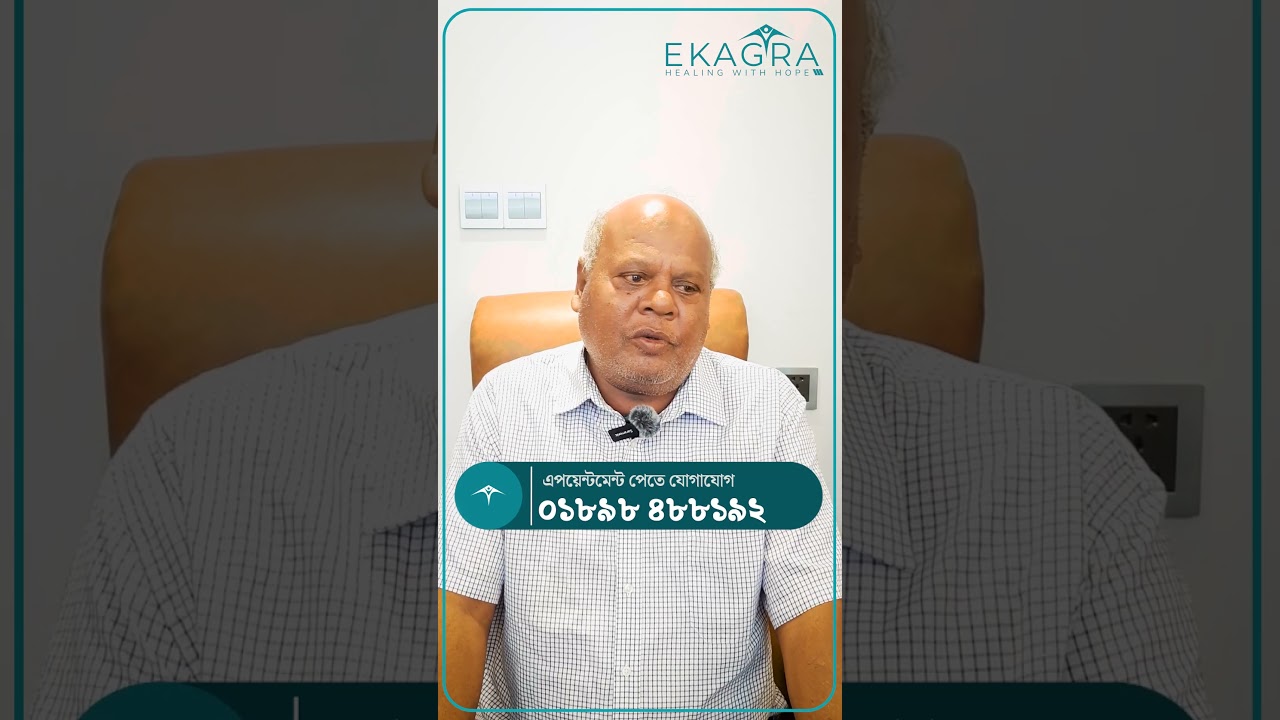 তোজাম্মেল হক দীর্ঘদিন কোমর ও পায়ে ব্যথার সমস্যায় ভুগছিলেন একাগ্রায় চিকিৎসা পরবর্তী এখন সুস্থ!
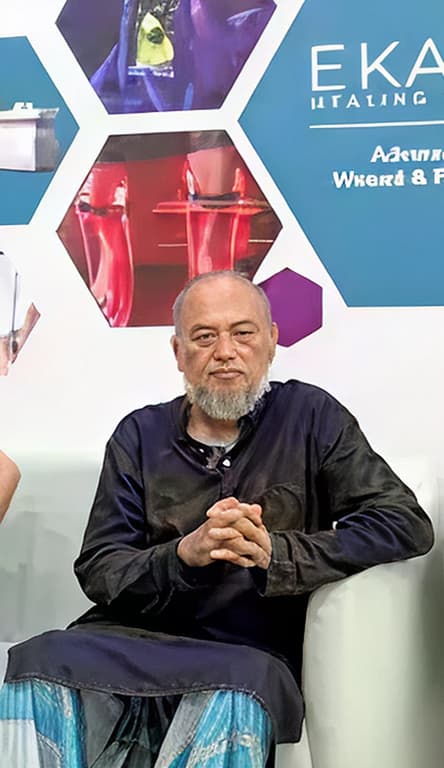 Shahid Islam
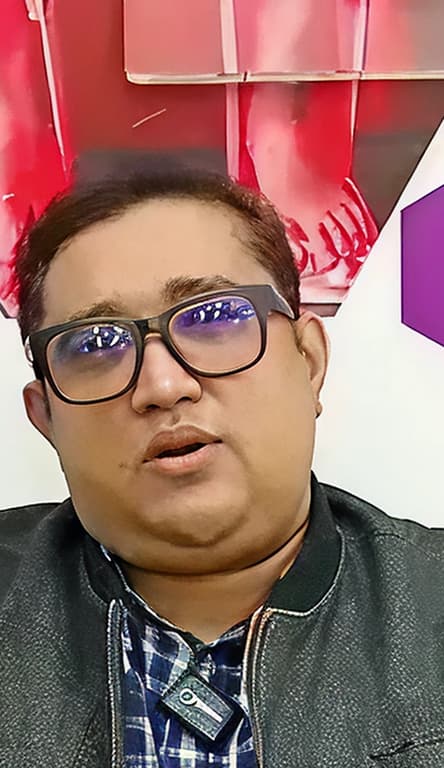 Rejaul Karim