


If you’ve noticed numbness in your feet, an unexplained tingling sensation, or burning feet that gets worse at night, you may be dealing with peripheral neuropathy, a condition affecting the nerves that carry sensation between your feet, legs, and brain. It’s common, it’s manageable with the right approach, and it’s not something to wait out.
This article covers what peripheral neuropathy is, its symptoms, what causes it (including its close relationship with diabetes), how it’s assessed, and what a structured neuropathy treatment and management approach looks like.
What Is Peripheral Neuropathy?
Peripheral neuropathy is damage to the peripheral nerves, the network of nerves outside the brain and spinal cord that carry signals to and from your hands, feet, and limbs. When these nerves are damaged, they can send incorrect signals (causing sensations like tingling or burning) or stop sending signals altogether (causing numbness).
It most commonly affects the feet and legs first, often on both sides of the body, before it reaches the hands. For many people, it develops gradually. Mild tingling slowly becomes more noticeable over months or years, which is part of why it’s so often dismissed in its early stages.
Common Symptoms of Peripheral Neuropathy
Peripheral neuropathy doesn’t look the same for everyone, but the most frequently reported symptoms include:
- Numbness in feet, or a reduced ability to feel pain, heat, or cold
- Tingling or a “pins and needles” sensation, especially in the toes and soles
- Burning feet, often more noticeable at night or when resting
- Sharp, jabbing, or electric-shock-like pain
- Increased sensitivity to touch. Even light contact, like a bedsheet, can feel uncomfortable
- Muscle weakness or a change in balance and coordination
- A feeling that socks or something is bunched under the foot, when nothing is there
Because symptoms often start subtly, it’s easy to dismiss early signs of numbness in feet or occasional tingling as tiredness or a temporary sensation. That’s exactly why early evaluation matters: the earlier peripheral neuropathy is identified, the more options there are to manage it before it progresses.
What Causes Peripheral Neuropathy?
Diabetes is the most common cause of peripheral neuropathy. When neuropathy develops as a result of diabetes specifically, it’s referred to as diabetic neuropathy or, more precisely when it affects the feet and legs in this pattern, diabetic peripheral neuropathy.
The mechanism is well understood: sustained high blood sugar levels damage small nerve fibers over time, starting at the furthest points from the spinal cord, which is why the feet are usually affected before the hands. This is also why diabetic neuropathy is frequently discussed alongside diabetic foot care. The two are closely connected, not separate concerns.
Diabetes isn’t the only cause. Other contributing factors can include:
- Poor circulation, which affects how well nerves are supplied with oxygen and nutrients
- Nerve compression or previous injury
- Certain nutritional deficiencies
- Some medications and, less commonly, other underlying health conditions
Because the underlying cause affects how neuropathy should be managed, identifying the cause is a necessary first step in any neuropathy treatment plan, not a formality.
Why Peripheral Neuropathy Matters
The risk with peripheral neuropathy isn’t only the discomfort of burning feet or tingling. It’s what reduced sensation can allow to happen unnoticed. When you can’t feel a blister, a cut, or a pressure point on your foot the way you normally would, a minor injury can go undetected and worsen before it’s caught.
This is a particular concern for people managing diabetes, where slow-healing wounds are already a known risk, and where diabetic peripheral neuropathy and diabetic foot complications often develop together. Neuropathy care and foot and wound care are closely connected at a structural level, not just a clinical one: protecting nerve health and protecting skin health go hand in hand.
How Peripheral Neuropathy Is Assessed
A structured assessment for peripheral neuropathy typically looks at more than one system, since nerve symptoms can have more than one contributing cause:
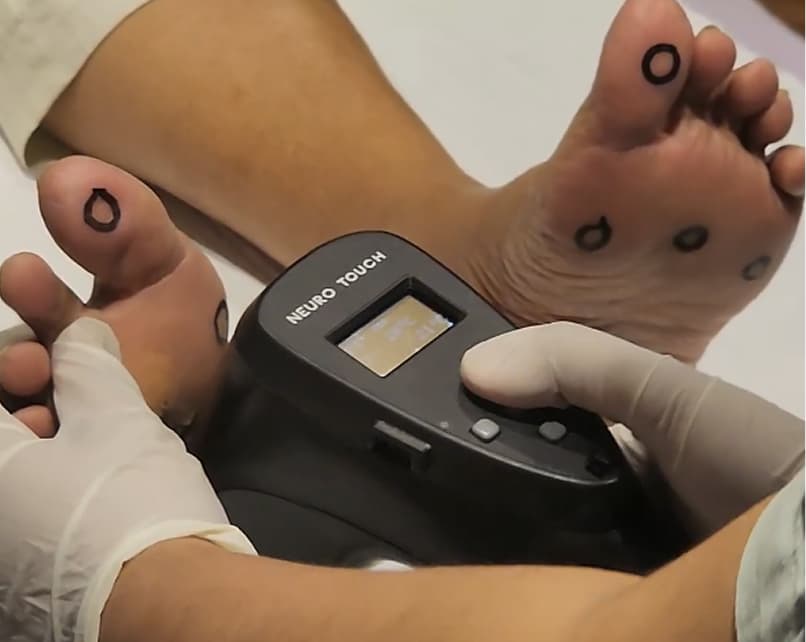
- Nerve function testing, checking how well nerves are responding to touch, temperature, and vibration
- Sensory response evaluation, mapping where sensation is reduced, altered, or absent
- Circulation check, since blood flow and nerve health are closely linked
- Overall risk profiling, factoring in diabetes history, other health conditions, and how symptoms have progressed over time
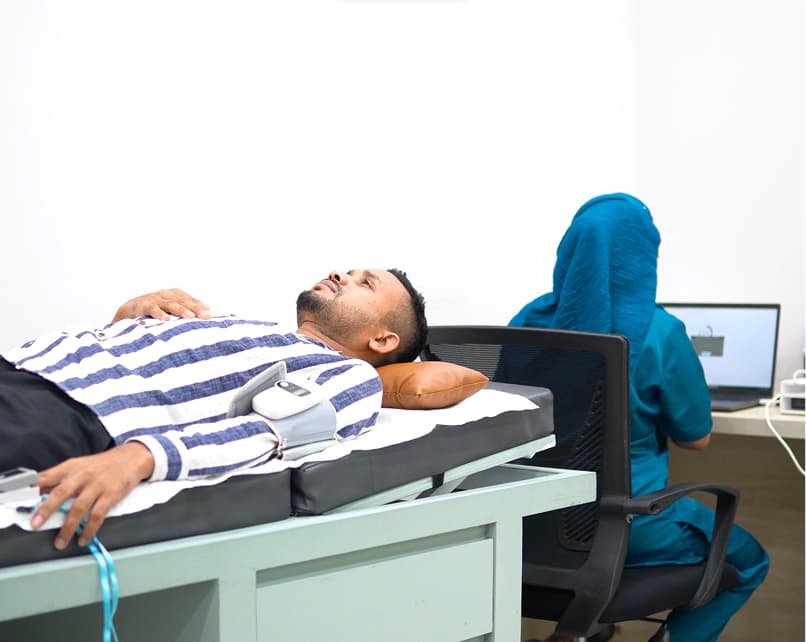
At Ekagra Foot Care Centre at Evercare Hospital Dhaka, this kind of structured screening is designed to be non-invasive and typically takes around 45 to 60 minutes, followed by a clear explanation of findings and next steps. No referral is required.
How Neuropathy Is Treated and Managed
There’s no single fix for peripheral neuropathy, but there is a structured way to approach neuropathy treatment:
- Early detection: identifying nerve involvement before symptoms progress further
- Supportive therapies: an individualized plan based on what’s actually assessed, not a one-size-fits-all approach
- Ongoing monitoring: because neuropathy, including diabetic neuropathy, is a condition to manage over time, not a one-visit fix
- Prevention-focused foot care: since reduced sensation raises the importance of protecting the skin from unnoticed injury
The goal of this kind of structured neuropathy treatment approach is to slow progression, manage symptoms like burning feet and numbness, and protect against the downstream complications, particularly foot injuries and wounds, that untreated neuropathy can make more likely.
Living With Peripheral Neuropathy Day to Day
Beyond formal treatment, daily habits play a real role in managing peripheral neuropathy symptoms and reducing risk:
- Inspect your feet daily for cuts, blisters, redness, or swelling, especially important if numbness in feet means you might not feel an injury as it happens
- Choose well-fitting, protective footwear rather than going barefoot, even at home
- Keep blood sugar levels within your target range, if diabetes is a contributing factor
- Don’t self-treat burning feet with heat sources like heating pads directly against the skin, since reduced sensation increases the risk of an unnoticed burn
- Report new or worsening symptoms promptly rather than waiting for a routine follow-up
Who Should Get Evaluated for Peripheral Neuropathy
Consider getting evaluated if you’re experiencing:
- Ongoing numbness in feet, tingling, or burning feet that doesn’t resolve
- Pain that’s worse at night or disrupts sleep
- A noticeable change in balance or foot sensation
- Diabetes, particularly if it’s been present for several years or hasn’t always been tightly controlled
This is general educational information, not a diagnosis. A proper evaluation is the only way to know what’s actually causing your symptoms.
Frequently Asked Questions
Is peripheral neuropathy reversible?
It depends on the cause and how early it’s identified. Some nerve damage can improve once the underlying cause is treated. Some is about slowing progression and managing symptoms rather than full reversal.
Is peripheral neuropathy always related to diabetes?
No. Diabetes is the most common cause, but neuropathy can also result from other factors.
What’s the difference between peripheral neuropathy and diabetic neuropathy?
Diabetic neuropathy is peripheral neuropathy caused specifically by diabetes. It’s the most common form, but “peripheral neuropathy” is the broader term covering nerve damage from any cause. See our full comparison in Diabetic Neuropathy vs. Peripheral Neuropathy.
What peripheral neuropathy treatment options exist?
Treatment is individualized based on your assessment and typically combines addressing the underlying cause, supportive therapies, and ongoing monitoring. [Reviewer: confirm this stays general enough.]
How long does a neuropathy screening take?
At Ekagra, a structured screening typically takes 45 to 60 minutes and doesn’t require a referral.
When should I seek care urgently rather than schedule a routine screening?
[Reviewer to confirm exact wording/threshold]. Sudden, severe, or rapidly worsening symptoms, especially with weakness, should be evaluated promptly.
Next Step
If burning feet, numbness in feet, or tingling has been on your mind, a structured screening is the most direct way to understand what’s happening and what to do about it. If your symptoms tend to flare up at night specifically, our piece on burning feet at night goes into that pattern in more detail.
Book a screening at Ekagra Foot Care Centre at Evercare Hospital Dhaka, learn more about how Ekagra approaches neuropathy care, or read about the connection between diabetic foot health and nerve health. For general background reading, MedlinePlus also has a helpful overview of peripheral nerve disorders.